
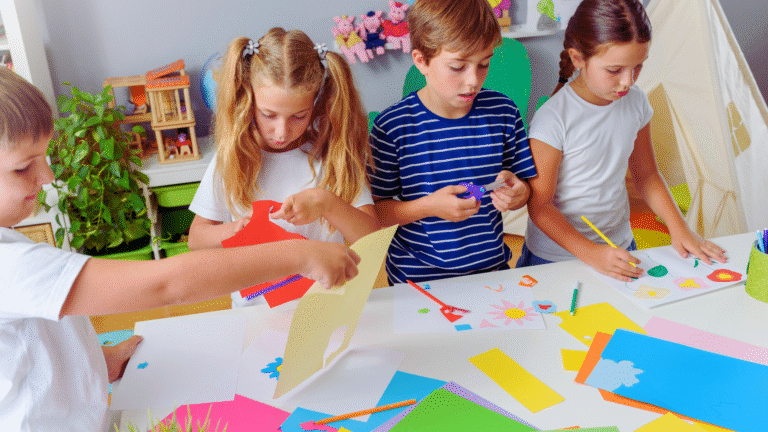
Encouraging creativity in children can be both enjoyable and rewarding. Engaging in arts and crafts allows kids to explore their imagination while developing fine motor skills. A variety of arts and crafts ideas can stimulate children’s creativity and provide opportunities for self-expression.
From painting to DIY projects, there are numerous ways for kids to create and innovate. Simple materials like paper, glue, and natural items can be transformed into unique art pieces or fun crafts. These activities not only foster creativity but also promote problem-solving and critical thinking as children navigate their artistic processes.
Parents and educators can introduce projects that inspire experimentation with colors, textures, and shapes. Crafting together can also strengthen bonds and encourage teamwork. Providing a range of arts and crafts options ensures that every child finds something that resonates with their individual creative spirit.
Essential Arts and Crafts Projects to Spark Creativity
Engaging in arts and crafts can significantly enhance children’s creative skills. Through various projects, they can express themselves, explore materials, and learn new techniques. Below are a few project ideas that will captivate their imagination.
Simple DIY Crafts for Young Children
Simple DIY crafts are perfect for young children as they promote motor skills and creativity. Projects like paper plate masks or homemade greeting cards require minimal materials and encourage imaginative play.
Materials Needed:
- Paper plates
- Markers or crayons
- Glue
- Scissors
- Stickers
Children can personalize masks using various materials. They might glue colored paper, add glitter, or even use feathers. Making greeting cards allows them to express emotions by decorating them for family or friends.
Nature-Inspired Creations
Nature-inspired crafts allow children to connect with the outdoors while fostering creativity. Collecting leaves, twigs, and stones provides unique materials for various projects.
Activity Ideas:
- Leaf rubbings using crayons
- Rock painting with vibrant colors
- Twig picture frames
Children can create leaf rubbings by placing a leaf under paper and rubbing a crayon over it. Rock painting transforms ordinary stones into artistic treasures, while twig frames can provide a rustic touch to their artwork. These activities enhance appreciation for nature.
Fun with Slime and Sensory Materials
Slime making is both a fun and educational craft that stimulates the senses. This project combines simple ingredients to create a gooey substance that children can manipulate.
Basic Slime Recipe:
- 1 cup of glue
- 1 cup of water
- 1 teaspoon of baking soda
- Food coloring (optional)
- Contact lens solution
Children can mix these ingredients to create slime. This activity is tactile and visually stimulating, allowing kids to experiment with colors and textures. Adjusting the slime’s consistency can also lead to endless sensory exploration, fostering creativity in a playful way.
Themed Activities to Foster Inspiration and Imagination
Engaging children in themed activities encourages creativity and provides a platform for self-expression. Each activity nurtures different aspects of artistic thinking, from interpretation to collaboration.
Rock Painting for Artistic Expression
Rock painting is an accessible way for kids to explore color and design. Children can choose their rocks and use a variety of paints to create designs, patterns, or characters.
Benefits include:
- Enhancing fine motor skills.
- Encouraging individual interpretation.
- Providing a lasting product that can decorate gardens or indoor spaces.
Kids might enjoy incorporating themes such as animals, seasonal motifs, or even personal symbols. This can lead to discussions about nature, colors, and shapes, fostering a deeper appreciation for the environment.
Storytelling Through Collaborative Art
Collaborative art projects combine storytelling with visual expression. A group of children can create a large mural that represents a shared story or fantasy world.
This activity promotes:
- Teamwork and communication.
- Critical thinking as they decide on a narrative and visual representation.
- Confidence through shared accomplishment.
Children might take turns adding elements to the mural, which encourages them to listen to each other’s ideas. Using different materials creates varied textures and dimensions, enhancing the visual appeal while allowing each child’s voice to contribute to the final piece.
Holiday and Seasonal Craft Projects
Craft projects tied to holidays and seasons provide children with context for their creations. These projects can range from making decorations to creating gifts for family and friends.
Key themes can include:
- Winter: Snowflakes or holiday ornaments.
- Spring: Flower crafts or Easter eggs.
- Fall: Pumpkin decorations or Halloween masks.
Children learn to associate different colors and symbols with specific times of the year while practicing skills like cutting, gluing, and assembling. These crafts can serve educational purposes, teaching concepts like symmetry in snowflakes or patterns in seasonal changes.
Crafting for Growth: Developing Skills and Awareness Through Art
Engaging in arts and crafts allows children to develop essential skills and awareness. This creative process supports cognitive, emotional, and social growth in young ones, particularly in preschool settings.
Arts and Crafts for Preschool Children
Arts and crafts provide preschool children with a platform to explore their creativity. Activities such as finger painting, collage making, and clay modeling stimulate fine motor skills. These hands-on activities improve hand-eye coordination and dexterity, important for tasks like writing and self-care.
Utilizing everyday materials enhances creativity. Common items such as cardboard boxes, fabric scraps, and natural objects promote resourcefulness. Moreover, structured activities can reinforce cognitive concepts like shapes, colors, and numbers, integrating art with early learning.
Building Emotional and Social Awareness
Creative projects often encourage emotional expression. Children can convey feelings through their artwork, helping them communicate complex emotions. This expression fosters emotional intelligence, allowing them to recognize and manage feelings.
Arts and crafts can also promote social skills. Working on group projects encourages collaboration and teamwork. Sharing materials and ideas allows children to practice negotiation and conflict resolution, crucial for social interaction.
Incorporating Educational Elements into Craft Time
Integrating educational elements into crafting can enhance learning outcomes. For instance, activities like creating letter crafts or number collages reinforce literacy and numeracy skills. This approach turns fun activities into valuable learning experiences.
Themed crafts, such as seasonal decorations or cultural projects, provide context for learning. They can introduce historical or global concepts in an engaging way. Parents and educators can ask open-ended questions during crafting to spark discussion and critical thinking, enriching the overall experience.