
Turning art projects into meaningful gifts involves emphasizing personal touches and the story behind the creation. They become valuable when tailored to reflect the recipient’s interests, memories, or personality, giving each piece emotional significance beyond its appearance.
By choosing materials, themes, or messages that resonate with the gift receiver, an art project transforms from a simple craft into a thoughtful gesture. This approach makes the gift not only unique but also memorable.
The process includes considering presentation, such as framing, packaging, or pairing with a handwritten note, which enhances the overall impact. Thoughtful details show care and elevate the value in the eyes of the recipient.
Selecting and Preparing Art Projects for Gifting
Art projects should be thoughtfully chosen and carefully prepared to create meaningful gifts. Proper selection, digital enhancements, and preservation techniques ensure the final gift is both personal and lasting.
Choosing the Right Artwork
The artwork selected should reflect the recipient’s tastes or shared memories. Consider styles, subjects, and colors that suit the person’s preferences or home decor.
Age-appropriate pieces matter: children’s art can be charming, while more complex works fit older recipients. The emotional connection between the giver, recipient, and piece enhances its value.
If unsure, choose originals that feel sincere rather than trying to impress with complexity. Smaller, manageable sizes often translate better into gifts.
Digitizing and Editing Artwork
Digitizing artwork preserves it and allows for versatile use, like prints or cards. Use a high-resolution scanner or camera to capture details accurately.
Basic editing can correct brightness, contrast, or color balance. Simple cropping can eliminate background clutter.
Files should be saved in widely accepted formats (JPEG, PNG) with resolutions suitable for printing or digital sharing. Editing should enhance the piece without altering its original character.
Preserving Original Pieces
Protecting original art requires proper storage. Use acid-free paper or sleeves to avoid discoloration and damage.
Flat storage prevents creases; avoid folding or rolling if possible. Keep art away from direct sunlight and humid environments to prevent fading and mold.
For three-dimensional projects, secure fragile parts with clear, acid-free containers. Label with date and artist information to maintain context over time.
Creative Ways to Transform Art Into Gifts
Turning original artwork into practical items adds both use and personal value. By selecting the right format, the giver ensures each piece stands out while fitting the recipient’s lifestyle.
Custom Art Prints and Posters
Reproducing artwork as prints and posters offers a classic way to present art as a gift. Printing on high-quality paper preserves detail and color accuracy, enhancing the visual appeal.
Using archival inks guards against fading, making these gifts ideal for display in homes or offices. Prints can be framed or left unframed, allowing personalization in presentation.
Offering multiple size options, from small prints to large posters, helps match the recipient’s space. Prints can also be combined into themed collections or series, creating cohesive, themed gifts.
Personalized Calendars
Calendars featuring individual artwork provide both functionality and decoration. Each month can showcase a different piece, making the gift dynamic throughout the year.
Designing with clearly marked dates and room for notes increases utility. Including important family or personal dates customizes the calendar further.
High-quality printing on durable paper ensures the artwork remains vibrant despite frequent handling. Calendars can be spiral-bound or in a tear-off format, catering to different preferences.
Decorative Mugs and Coasters
Printing artwork on mugs and coasters transforms art into everyday items. Mugs with clear, vivid prints offer a daily reminder of the personalized gift.
Coasters protect surfaces while showcasing small-scale art, often enhancing the aesthetic of living spaces. Both items benefit from heat and water-resistant coatings to preserve the design.
Sets of matching mugs and coasters create cohesive gift packages. Artwork placement should consider shape and size to maintain clarity and impact on curved surfaces.
Unique Pillows and Tote Bags
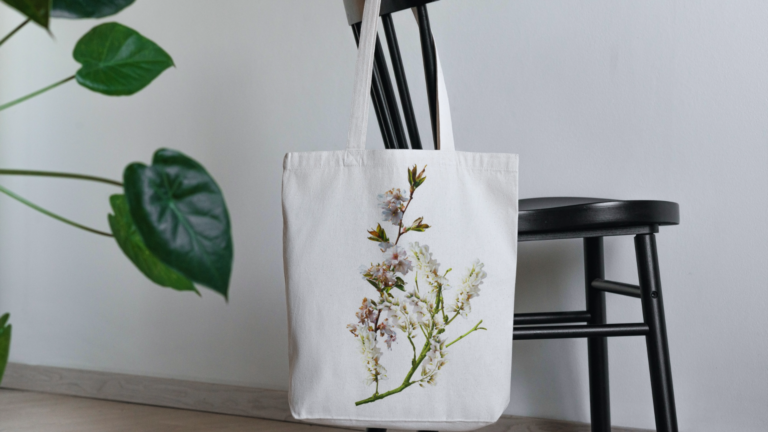
Artwork transferred onto fabric items like pillows and tote bags combines utility with decoration. Pillows allow for bold, vibrant art to brighten living rooms or bedrooms.
Tote bags offer portable visibility and practicality, including pockets or reinforced handles when designed for regular use. Fabric printing techniques like dye-sublimation ensure lasting color and softness.
Choosing durable textiles enhances the gift’s lifespan and usability. Designs can cover entire surfaces or appear as centered motifs, depending on style preference.
Adding Personalized Touches and Presentation
Personalizing art gifts enhances their value and shows thoughtful effort. Adding creative elements to tags, wrapping, and packaging can make the gift memorable and visually appealing.
Creative Gift Tags
Gift tags offer space for a personal message or decorative detail. Using art-inspired designs like small drawings or paintings can tie the tag to the gift’s theme.
Tags can be made from thick cardstock, watercolor paper, or recycled materials. Adding handwritten notes, names, or dates creates a unique connection.
Decorative touches like embossing, stamping, or using calligraphy pens increase the tag’s aesthetic. Punching holes and threading ribbons or twine completes the presentation.
Handmade Wrapping Paper
Wrapping paper crafted by hand adds a distinct and creative appeal to art gifts. Simple designs using stamps, stencils, or splattered paint are effective and visually striking.
Materials like kraft paper, butcher paper, or plain newsprint serve as good canvases for custom patterns. Using colors that complement the gift’s palette ties the wrapping to the art inside.
Adding stamped motifs, hand-drawn doodles, or textured painting enhances the personal feel. It also shows dedication beyond standard wrapping paper.
Finishing and Packaging Techniques
Careful finishing preserves the art and improves presentation. Protective layers like clear varnish or spray fixatives prevent smudging on painted elements.
Securing the gift with natural twine, ribbons, or minimalist string with small tags makes it elegant and neat. Using boxes lined with tissue paper or fabric cushions adds structure and safety.
Including a small card explaining the artwork gives recipients context. Proper finishing and packaging ensure the gift arrives intact and impressive.